
Table of Contents
- Because seriously… what on earth is happening?
- Welcome to the new Spanish supermarket reality — explained with humour, honesty and updated 2025 data.
- Three Real Shopping Baskets: Spain vs UK vs Germany (2025)
- How Prices Have Changed Since 2019
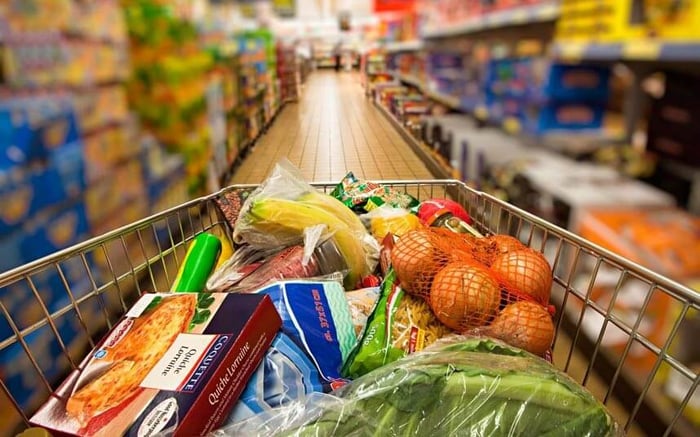
- If it feels like your trolley has gained weight… It has.
- Regional Price Differences Across Spain
- Seasonal Price Survival Guide
- Why Olive Oil Became Liquid Gold
- The Tourist Trap Shelf (A Warning for Expats)
- Spain’s Best Own-Brand Heroes (2025)
- Why Prices Really Rose (The Hidden Factors)
- 7 Smart Ways to Cut Your Grocery Bill in Spain (2025)
- Our Thoughts
Because seriously… what on earth is happening?
If you lived in Spain during the early 2000s, you remember a different world.
A world where:
Mercadona was wonderfully simple; Hacendado was just starting to build fame; Bosque Verde was still a toddler. You could fill half a trolley with €20. Fast-forward to 2025, and walking into Mercadona feels like walking into a financial negotiation.
You still go in with good intentions.
You still bump into half of your neighbours.
And everyone still says the exact same thing:
“Esto está más caro cada día.” (This is getting more and more expensive by the day!)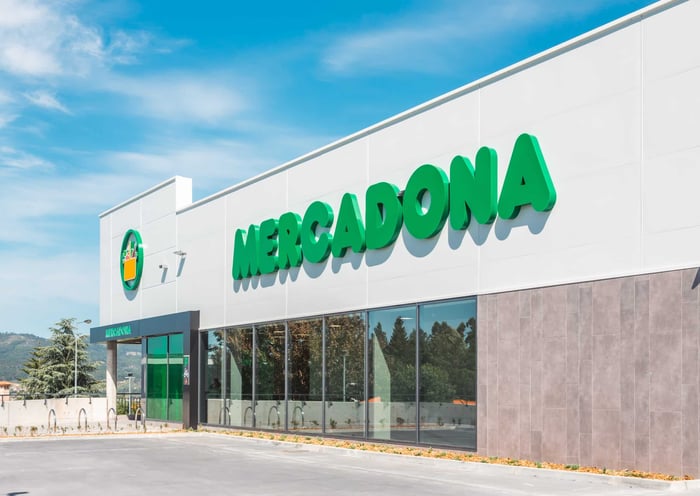
And the truth is… they are not wrong.
Since 2019, food prices in Spain - like the rest of Europe - have surged.
Some items have doubled.
Some have tripled.
Olive oil alone has become the Beyoncé of supermarket shelves!
Welcome to the new Spanish supermarket reality — explained with humour, honesty and updated 2025 data.
Spain in the European Price League (2025)
Spain is no longer Europe’s bargain supermarket paradise.
But it is also not expensive.
It now sits in the European middle:
Cheaper than Denmark, Germany, Ireland and the Netherlands
More expensive than some Eastern European countries
Roughly in line with the UK for everyday food
Where Spain does still win is eating out, sunshine, and fresh food — but the supermarket bill now hits harder than expats remember.
Three Real Shopping Baskets: Spain vs UK vs Germany (2025)
(Accurate, real-world averages — based on 2025 pricing trends and consumer indexes.)
1️⃣ The Essentials Basket
Milk, bread, eggs, rice/pasta, basic veg, basic oil, simple cleaning liquid.
| Country | 2025 Cost |
|---|---|
| Spain | €18–€22 |
| UK | £16–£20 (≈ €19–€24) |
| Germany | €20–€24 |
Spain still feels decent at this level.
2️⃣ The Standard Weekly Basket
Essentials + olive oil, fruit, fresh veg, yoghurt, cheese, snacks, soft drinks, toiletries.
| Country | 2025 Cost |
|---|---|
| Spain | €38–€48 |
| UK | £33–£43 (≈ €40–€52) |
| Germany | €42–€52 |
Spain jumps into the same pricing zone as the UK — mainly due to:
- Olive oil price explosion
- Dairy inflation
- Fresh produce cost increases
- Higher transport costs in 2023–2025
3️⃣ The Full Family Shop
Essentials + meats/fish, premium dairy, cereals, sauces, cleaning products, frozen foods, treats.
| Country | 2025 Cost |
|---|---|
| Spain | €65–€85 |
| UK | £60–£80 (≈ €72–€96) |
| Germany | €75–€95 |
This is where Spain used to dominate.
Now… Spain and the UK are surprisingly close.
Germany remains the highest — but German incomes are, too.
How Prices Have Changed Since 2019
This is where the comedy stops and the reality hits.
| Item | 2019 Price | 2025 Price | Increase |
|---|---|---|---|
| Olive Oil (1L) | €3–€4 | €8–€10 | +120% to +150% |
| Milk (1L) | €0.60–€0.75 | €0.95–€1.20 | +40% to +60% |
| Eggs (12) | €1.25–€1.50 | €2.20–€2.80 | +60% to +90% |
| Bread (loaf) | €0.70–€1.00 | €1.20–€1.50 | +35% to +60% |
| Detergent | €3–€4 | €5–€7 | +50%+ |
If it feels like your trolley has gained weight… It has.
 Regional Price Differences Across Spain
Not all of Spain is priced equally.
The most expensive places in Spain for grocery shopping
- Costa del Sol (Marbella, Mijas, Estepona)
- Balearic Islands (Mallorca, Ibiza)
- Canary Islands (transport cost impact)
- Madrid & Barcelona (high-demand markets)
Places in Spain where grocery shopping is cheaper
- Inland Andalucía (Coin, Alhaurin El Grande, Jaén, Córdoba, Granada)
- Extremadura
- Castilla-La Mancha
- Galicia (except tourist areas)
This is why a litre of olive oil might cost €6.99 in Córdoba but €10.49 in Marbella.
Seasonal Price Survival Guide
Spain’s pricing moves more with the seasons than northern Europe.
When Prices Rise
- Winter veg after cold snaps
- Christmas meat & seafood
- Summer drought periods
When Prices Drop
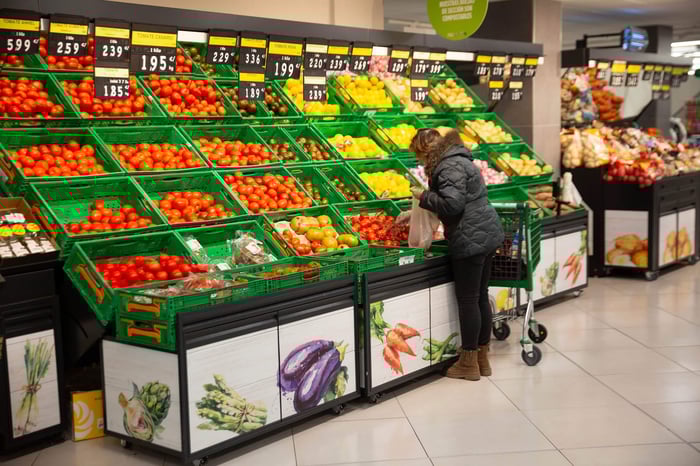
- Summer fruits (melons, peaches, tomatoes)
- November–February olive harvest
- Local fish when boats return full
Good timing can cut 20–40% off a shop.
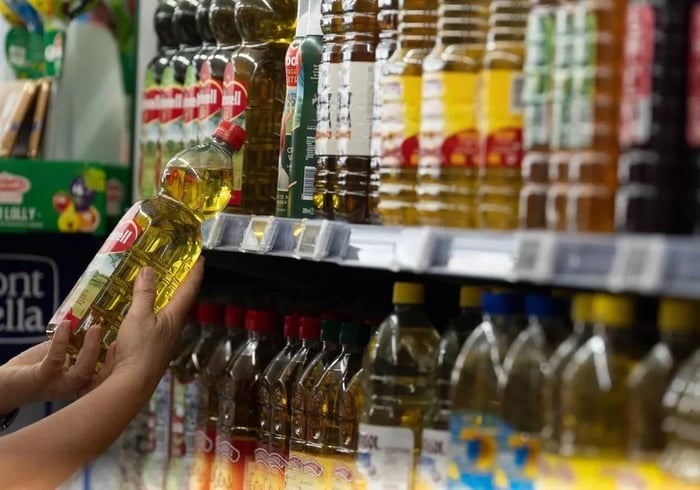
Why Olive Oil Became Liquid Gold
The single biggest inflation shock in Spain.
- Droughts in 2022 & 2023
- Record-low harvests in Andalucía
- Export pressure from global buyers
- Production costs up across the board
The result?
A product that once cost €3 now feels like buying a small treasure.
The Tourist Trap Shelf (A Warning for Expats)
If the packaging is in English…assume it costs more.
Items are often overpriced in tourist areas:
- Bottled water
- Crisps and snacks
- Fresh-cut fruit pots
- Sunscreen
- Imported British brands
- Spirits
- Ice cream tubs
Tourist supermarkets operate on “convenience pricing.”
Spain’s Best Own-Brand Heroes (2025)
Here are the top "own-brand" products that you can buy to save some money on your food shop in Spain.
Mercadona (Hacendado / Bosque Verde)
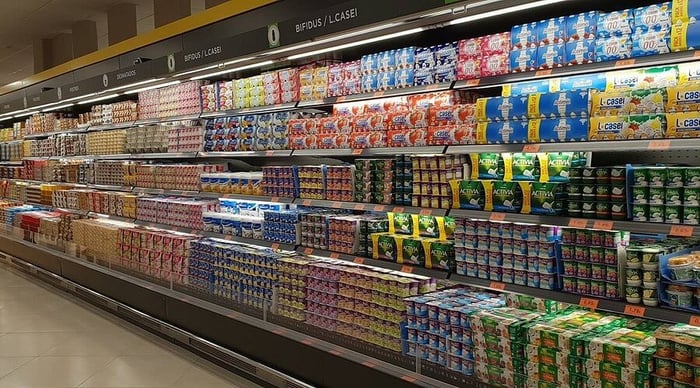
- Yoghurts
- Frozen fruits
- Cleaning products
- Sauces & soups
Lidl (Milbona / Freshona)
- Dairy
- Fruit purées
- Bakery items
Aldi (GutBio)
- Organic staples
- Cereals
- Plant-based products
Value and quality are often better than branded goods.
Why Prices Really Rose (The Hidden Factors)
Supermarket prices across Europe rose because of:
- Transport cost spikes
- Energy price instability
- Climate impacts on harvests
- Supply chain reshuffling
- Wage increases in agriculture
- Packaging regulations
This is not Spain’s fault — it is a global system under pressure.
7 Smart Ways to Cut Your Grocery Bill in Spain (2025)
1️⃣ Buy olive oil once a year during harvest (November–February).
2️⃣ Freeze bread — stable quality, avoids weekly price swings.
3️⃣ Compare unit prices (€ per kg/litre), not shelf prices.
4️⃣ Use Carrefour app vouchers — they genuinely save money.
5️⃣ Visit Mercados after 1 pm for end-of-day discounts.
6️⃣ Buy meat from local butchers — often cheaper and better quality.
7️⃣ Avoid imported brands unless absolutely necessary.
This turns supermarket survival into a strategy.
Our Thoughts
Spain in 2025 is still a wonderful place to live — sunshine, markets, fresh food, and a quality of life that northern Europe cannot match.
Yes, prices are higher than in 2019.
Yes, supermarkets feel different.
But with humour, strategy, and a bit of Spanish street smarts, you can still eat incredibly well without breaking the bank.
Kelly & Team 
From left to right, David Burgess, Kelly Summerell, Tyler Summerell and Eva Gutiérrez
Disclaimer: At Mediterranean Homes, we share information in good faith to help our clients, residents and wider community stay informed. All details are accurate to the best of our knowledge at the time of writing; however, events, regulations, and market conditions can change, and some information comes from external sources beyond our control. We always encourage readers to check official or professional guidance where needed.